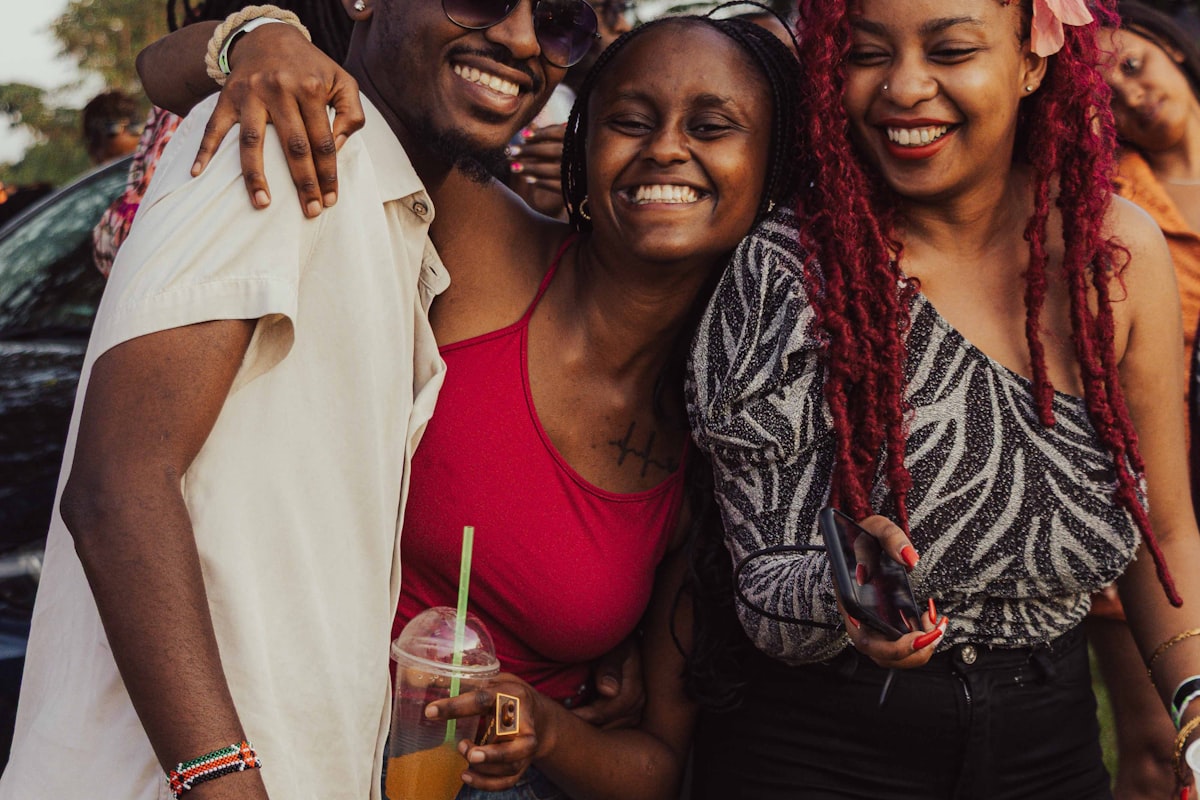
Your first rave or music festival is one of the most exciting experiences you will ever have. The music, the energy, the people, the production — nothing quite compares. But festivals are also physically demanding, logistically complex, and sometimes overwhelming, especially if you do not know what to expect. This guide covers the practical safety tips that will help you have the best possible time at your first event.
Before the Festival
Know What You Are Getting Into
Research the festival before you go. Check the lineup, map, and schedule. Read reviews from past years. Join Reddit threads or Facebook groups for the specific event — other attendees are usually happy to answer questions. Knowing the layout and flow of the event ahead of time reduces stress and lets you focus on enjoying the music.
Plan Your Group Communication
Cell service at festivals is unreliable at best. Tens of thousands of people in one area will overwhelm local towers. Before the event, agree on a meeting point with your group — a specific landmark or stage corner — and set regular check-in times. Apps like BuddySOS, built specifically for festival group safety, offer location sharing that works even in spotty service conditions. The app was created by members of the Arizona rave community specifically to solve the "lost my group" problem that every festival-goer knows too well. You can hear the full origin story in the DJ Nealson episode and the festival operations episode of the RDY VIP podcast.
Pack Smart
Essential items for any festival: a portable phone charger (fully charged), comfortable shoes you have already broken in, earplugs (invest in proper high-fidelity earplugs — your hearing is irreplaceable), sunscreen, a hydration pack or reusable water bottle, a small flashlight or headlamp, and any medication you need. Most festivals have restrictions on what you can bring inside, so check the prohibited items list and pack accordingly.
At the Festival
Hydration is Everything
Dehydration is the number one medical issue at music festivals. Dancing for hours in heat (or even in cool weather) depletes your body faster than you realize. Drink water consistently throughout the day, not just when you feel thirsty — by the time you are thirsty, you are already behind. Most festivals have free water refill stations. Find them early and use them often. Electrolyte packets are also worth packing.
Protect Your Hearing
Festival sound systems are designed to produce extreme volume levels. Without ear protection, a single night at a festival can cause permanent hearing damage — tinnitus (ringing in the ears) that never goes away. High-fidelity earplugs reduce volume while preserving sound quality, so the music still sounds great. This is not optional. Protect your hearing so you can keep enjoying music for decades.
Know Your Limits
Festivals are marathons, not sprints. Pace yourself — you do not need to be at the front rail for every set. Take breaks, sit down, eat food, and rest when your body tells you to. There is no shame in leaving a set early to recharge. The best festival experiences come from being present and comfortable, not from pushing through exhaustion.
Look Out for Each Other
The PLUR philosophy — Peace, Love, Unity, Respect — is not just a slogan. It is a practical framework for how ravers take care of each other. If you see someone who looks disoriented, overheated, or in distress, check on them. Offer water. Help them get to medical staff if needed. Ask "Are you okay?" and wait for the answer. The rave community's reputation for kindness and care is built on individual moments of people looking out for strangers.
Use the Buddy System
Never wander off alone, especially at night at large events. Stay with at least one other person when moving between stages or leaving the venue. If you do get separated from your group, go to the agreed-upon meeting point rather than wandering around searching. And again — set up BuddySOS or another location-sharing tool before the event starts so you can find each other even when texts are not going through.
Harm Reduction
The rave community leads in harm reduction — providing accurate information and resources to reduce risks associated with substance use, without judgment. Organizations like DanceSafe offer drug testing services at many festivals so people can make informed decisions about what they are putting in their bodies.
If you choose to use substances at a festival, start with less than you think you need, never combine substances, stay hydrated, keep cool, and tell a friend what you have taken so they can watch for signs of distress. If someone you are with is having a bad reaction — rapid heartbeat, confusion, seizures, overheating, unresponsiveness — get medical help immediately. Festival medical staff are there to help, not to judge or get anyone in trouble.
After the Festival
Post-festival recovery is real. You will likely be physically exhausted, potentially sunburned, and possibly emotionally drained (the "post-festival blues" are a well-documented phenomenon). Give yourself time to recover — sleep, eat well, hydrate, and decompress. Share stories and photos with your crew. And start planning the next one.
Your first rave is the beginning of something special. The electronic music community is one of the most welcoming and positive spaces you will find, and the experiences you have at festivals can change your life. Go in prepared, stay safe, take care of each other, and let the music do what it does.
For more on festival culture, safety, and the people shaping the rave community, check out the RDY VIP podcast — featuring real conversations with DJs, producers, and culture-shapers from the electronic music world.
Key Terms
- Harm Reduction
- A public health approach practiced at raves and festivals that provides accurate information, drug testing, and support resources to reduce risks — without judgment. Organizations like DanceSafe are leading examples.
- High-Fidelity Earplugs
- Specialized ear protection designed for music environments that reduces volume evenly across frequencies, preserving sound quality while preventing hearing damage from prolonged exposure to festival-level sound systems.
- Hydration Pack
- A wearable backpack with a built-in water reservoir and drinking tube, commonly used at music festivals to maintain hydration while dancing. Most festivals allow and encourage hydration packs.
- Post-Festival Blues
- A well-documented period of emotional and physical fatigue experienced after attending a music festival, caused by physical exhaustion, dopamine depletion, and the contrast between the intense communal experience and normal daily life.
- Buddy System
- A safety practice at festivals where attendees stay paired with at least one other person, especially when moving between stages or leaving the venue at night, to reduce the risk of getting lost or encountering unsafe situations.