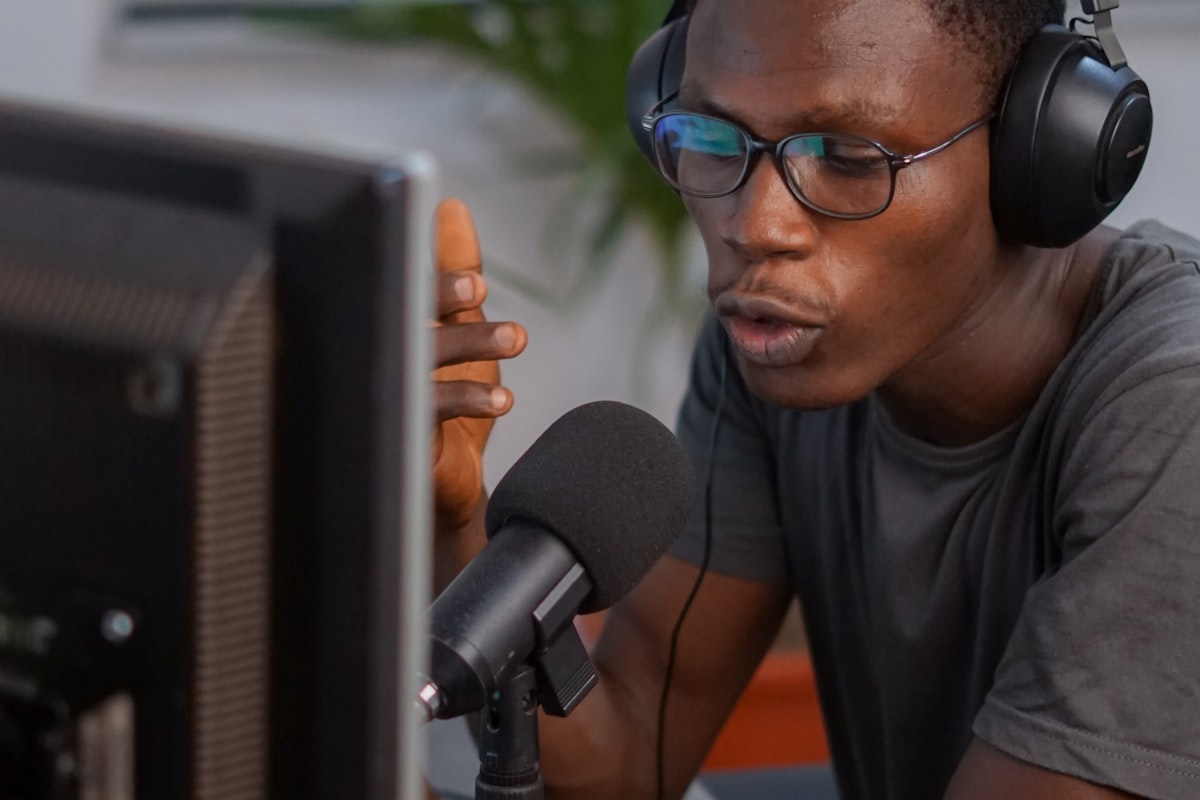
Podcasting has become one of the most effective ways to build an audience in the music industry. Whether you are a DJ wanting to showcase your mixes, a producer sharing creative insights, or an artist wanting to tell your story, a music podcast can grow your fanbase, land you festival bookings, and create opportunities you would never find through music releases alone. This guide walks you through everything you need to launch a successful music podcast.
Define Your Format and Concept
The first decision is what your podcast will be. Are you doing a mix show (curated DJ sets), an interview format (conversations with guests), a production tutorial show, a news and culture commentary show, or something hybrid? Your format determines your equipment needs, production workflow, and how much time each episode takes.
The best approach is to pick one format and master it before experimenting. The most successful music podcasts have a clear identity — RDY VIP is known for deep artist interviews, while A State of Trance is the gold standard for mix shows. Pick your lane and own it.
Interview Format
Interview podcasts feature conversations with DJs, producers, promoters, or other scene figures. Advantages: easy to produce (just talk), builds relationships with guests who will promote the show, creates authentic content that is hard to replicate. Disadvantages: requires you to find and book interesting guests, needs strong interviewing skills.
Mix Show Format
Mix shows are curated DJ sets, typically one hour, released weekly. Advantages: you control the entire content (no dependency on guests), displays your taste and mixing ability, can feature unreleased or upcoming tracks. Disadvantages: requires consistent DJ ability, needs a good music library, takes time to mix and edit.
Tutorial/Production Format
These shows teach production, sound design, or music theory. Advantages: positions you as an expert, attracts aspiring producers, creates loyal audience of people who benefit from your knowledge. Disadvantages: requires technical knowledge and ability to explain complex concepts clearly.
News/Culture Commentary
Weekly roundups of scene news, festival announcements, artist updates, or cultural commentary on electronic music. Advantages: timely, gives you a voice in the conversation, builds community. Disadvantages: requires staying on top of news, may feel repetitive if not done well.
Essential Equipment
Microphone
For interviews: a decent USB microphone (Shure SM7B, Audio-Technica AT2020) in the $100-300 range is solid. For mix shows: you need a way to record your DJ setup, usually via your DJ mixer's audio output to your computer.
Recording Software
Audacity (free), GarageBand (free on Mac), or Adobe Audition ($20/month) are all solid choices. You do not need expensive gear to start — focus on clear audio and consistent production.
Hosting Platform
Spotify for Podcasters, Buzzsprout, Podbean, and other hosting platforms all handle distribution to Spotify, Apple Podcasts, and YouTube. Pick one with an intuitive interface — this is where you upload each episode.
Production Workflow
Consistency matters more than perfection. Pick a release schedule (weekly is standard) and stick to it. Your workflow looks like this:
1. Pre-Production: Book guests, write talking points, source music, test equipment. Do this a week before recording.
2. Recording: Hit record and talk naturally. Do not stress about mistakes — they make the podcast feel real. Aim for 45-120 minutes per episode depending on format.
3. Editing: Remove long silences, dead air, and technical glitches. Add intro/outro music. Keep editing simple at first — do not spend 10 hours on each episode.
4. Upload and Publish: Upload to your hosting platform, write a description with timestamps (for interview shows) and relevant links, and submit to Apple Podcasts and other directories according to schedule.
Guest Booking and Outreach
If you are doing interviews, you need guests. Start local — reach out to DJs and producers in your scene. They are often eager for exposure. Be specific in your outreach: tell them why you want them on the show, what you want to discuss, and what audience they will reach.
Early episodes may feature smaller names or friends. That is fine. As your show grows, you can attract bigger names. The key is consistency and genuine conversation — if your podcast becomes known for real, substantive interviews, artists will want to be on it.
Promotion and Growing Your Audience
Uploading episodes is only half the battle. You need to promote them:
Leverage Guest Audiences: When someone appears on your show, ask them to share the episode with their fans. They benefit from exposure, and you get their audience listening.
Social Media: Share clips, quotes, and episode announcements on Instagram and TikTok. A 60-second highlight from each episode shared across platforms costs nothing and drives real listens.
Cross-Promotion: Guest on other podcasts, collaborate with other creators, and build relationships with complementary shows. The podcast community is collaborative.
YouTube: Upload full video episodes to YouTube with a simple visual (like a static image or looping footage). YouTube drives serious discovery if you tag and describe properly.
Common Mistakes to Avoid
Waiting for Perfect Equipment: Do not delay launching because you do not have top-tier gear. Start with what you have. Audio quality matters less than consistency and content quality.
Inconsistent Schedule: If you say you release weekly, release weekly. Algorithms favor consistency, and listeners get frustrated with sporadic shows.
Poor Audio Quality: Record in a quiet space. Use a microphone, not your laptop speaker. Invest in basic editing to remove background noise. Bad audio kills shows.
Interviewing Without Preparation: Know who your guest is. Have talking points. Prepare talking points — unprepared interviews produce awkward silences and missed opportunities.
Ignoring Analytics: Most hosting platforms show you which episodes get listens, what countries your audience is in, and how people find you. Use this data to understand what works.
Timeline to Growth
Realistic expectations: Your first 10-20 episodes might have small audiences. By episode 30-50, if you have done the work promoting and booking good guests, you should be seeing real growth. By 100 episodes, you will have a loyal core audience. Growth is slow and compounding — every episode you put out increases the chance someone discovers your show.
The best time to start a music podcast is now. The barrier to entry is lower than ever, the audience for long-form music content is hungry, and your unique voice is something no one else can provide. Start with the equipment you have, define your format, set a realistic schedule, and commit to consistency. The technical side will follow.
Key Terms
- Podcast
- A serialized audio program distributed via RSS feed, available on platforms like Spotify, Apple Podcasts, and YouTube. Episodes are typically published on a regular schedule.
- Mix Show
- A podcast format featuring a continuous curated DJ set, typically 45-120 minutes, showcasing music and the DJ's taste and mixing ability.
- Interview Podcast
- A podcast format built around long-form conversations with guests, exploring their stories, creative process, and perspectives.
- RSS Feed
- The technology that distributes your podcast to all platforms. Your hosting platform generates your RSS feed automatically.
- Host
- The person running the podcast — typically an interviewer, DJ, or expert sharing knowledge. Most shows have one or two hosts.